
Explore practical financial insights, trusted resources, and healthy longevity inspiration designed to support your journey toward greater confidence, wellbeing, and meaningful connections.
Financially Fit for Life
Key Financial Terms

-
Set goals: specific objectives such as buying a home or planning to retire comfortably.
Financial independence: having enough wealth to cover living expenses without relying on employment
Financial advice: it can help individuals make informed decisions, manage financial risks, and develop strategies that allign with their goals, circumstances and stage of life.
-
Ongoing advice(Existing plan/strategy): engage an adviser to manage wealth and financial needs throughout retirement.
Setting financial goals: developing a plan to achieve short,medium and long-term financial objectives.
Budgeting and cash-flow management: managing income, expenses and savings more effectively
Building wealth: creating an investment strategy to grow assets over time.
Retirement planning: Determing how much to save, when to retire and how to generate retirement income.
Superannuation advice: Maximising superannuation contributions, selecting investment options and planning retirement withdrawals.
Investment advice : choosing suitable investments, asset allocation and portfolio diversification based on financial goals and risk surance tolerance.
Risk management: identifying financial risk and implementing strategies to protect against them
insurance planning: reviewing life, total and permanent disability(TPD), income protection and other insurances needs
Debt management : developing strategies to reduce or eliminate debt, including mortgages, personal loans and credit cards.
saving for major life events: planning ‘for milestone such as buying a home, starting a family, education expenses or tavel
Tax planing: planning how assets will be managed and distributed after death, including wills, powers of attorney, and beneficiary nominations.
Financial independence : Developing a strategy to accumulate sufficient wealth to support future lifestyle needs without relying solely on empowerment income
Managing an inheritance or windfall: Making informed decision after receiving an inheritance, redundancy payment, compensation payout or other significant sum of money
Preparing for life changes : adapting financia;l plans following marriage, separation, divorce, the birthof a child, career changes, illness or retirement
Aged care planning: Understand the financial implications of residential aged care, accommodation costs, and ongoing care fees.
-
General advice: financial information or recommendations that do not consider your personal objectives, financial situation, or needs. General advice is intended for a broad audience and may not be suitable for your individual circumstances.
Personal advice: financial advice that takes into account one or more aspects of your personal circumstances, such as your financial goals, income, assets, liabilities, or risk tolerance. Personal advice is tailored to your individual need and is typically provided after gathering relevant information about you.
Financial adviser: a qualified professional who provides financial advice. Depending on their qualifications and licensing, a financial adviser may provide advice on investments, superannuation, retirement planning, insurance, cash flow management and other financial matters. They must be authorised to provide advice by an Australian Financial Service License(AFSL). Look for an Authorised Number, corporate Authorised number and AFSL number.
Advice fees: The professional fee charged for providing financial advice and related services. Fees may include consultation to gather information (and get to know you), strategic meeting, constructionand presentationof written advice, implementation of advice, ad hoc consultancy for specific tasks, ongoing wealth advice, insurance policy commissions. the benefits must be greater than the cost.
Statement of Advice(SOA) : a regulated document that explainsthe personal financial advice being provided, the basis for the advice, the recommendations made, and the fees, costs,benefits, and any relevant conflicts of interest
Record of Advice (ROA): A document that records personal financial advice provided to an existing client when the advice is based on informational ready held by the adviser and there have been no significant changes to the client’s circumstances, or where the advice updates or build on previous personal advice. An ROA explain the advice given, the reason for the recommendations, and any relevant fees or disclosures. it is generally shorter and less detailed than a statement of Advice (SOA)
-
Lifestyle Cost: The total ongoing cost of maintaining your current lifestyle, including housing, food, transport, utilities, insurance, healthcare, entertainment, travel, subscriptions, and other regular spending.
Retirement cashflow: In todays dollars the annual cashflow will comprise your lifestyle cost less finance and education costs.
Retirement Savings: Saving long term for retirement. This is typically saved through investing in superannuation to obtain tax concessions. To calculate the sum you require at retirement age you must consider the amount of retirement cashflow per year you rquire. There are other factors to consider by your financial advisor
Planned expenses: Expenses that you foresee. For example this can include a specific holidays to celebrate a milestone, or home improvement. Typically you plan for the next five years
Unplanned expenses: expenses you do not foresee. For example you experience an illness, or an accident, that costs you money to recover.
Cash reserve/ Emergency savings set aside for unplanned expenses.
-
Compound Interest: Interest earned on both your original money and previously earned interest. Typically you invest in a manner whereby the income generated by the investment is automatically reinvested. This type of investment is suitable for saving for education expenses in the medium to long term, or saving for retirement.
Liquidity: How easily an asset can be converted to cash. For example your bank account is very liquid compared to an investment property which is not liquid
Portfolio: Your collection of investments. you may have an account on a wealth manager plartform or you may own a number of shares or properties directly. There are a few ways you make portfolio with various investment.
Asset Class: A group of investments that share a similar asset characteristics, behave in comparable ways in the market and are subjects to similar regulations. Different asset classes have a different levels of risk, return, and income potential. Diversifying across asset classes can help manage investment risk
Asset Allocation: How your investment are divided among asset classes to make up the portfolio. Consider what sizeportion of your portfolio is exposed to what asset class.
Diversification: Spreading investment across different assets to reduce risk. In contrast if you own one property or one company listed on the share market you will experience all of the risk related to the individual investment. There is a saying not to have all of your eggs in the one basket. This is to avoid disappointment if the basket is dropped
Volatility: How much an investment’s price fluctuates. A very volatile investment may experience extreme prices changes like 20% above or below the average valuation, and or have frequent price changes. in contrast a less volatile investment may change in price within 5% of its average valuation, and the frquence of change is modest. A bank account has no volatility as it is not invested in a market that by nature changes everyday.
Risk Tolerance: your ability and willingness to handle investment losses. Typically the losses are the only valuation from time to time. It is not an actual loss unless something is sold and realises a loss. However the paper loss may make you feel uncomfortable. Hence an advisor can recommend an asset allocation to achieve a level of risk that you can tolerate.
Inflation: The rise in prices over time, reducing purchasing power. For example a $100 note will not buy the same amounts of goods in ten years time as the goods will have increased in price. This is referred to as erosion of purchasing power.
Defensive assets: Asset classes designed to provide stability, income, and capital preservation. Common defensive assets include cash, fixed interest (bonds), and term deposits.
Growth assets: Asset classes that are expected to generate higher long-term returns but experience greater short-term fluctuations. Common growth assets include shares, property, infrastructure, and private equity.
Growth investment: An investment primarily intended to increase in value over time. Growth investments typically offer higher potential returns but also carry higher risk and greater price volatility. Examples include shares, growth-focused managed funds, and property.
Defensive investment: An investment focused on preserving capital and providing more stable returns, often with lower risk and lower expected long-term growth. Examples include cash, high-interest savings accounts, term deposits, government bonds, and some high-quality fixed-income investments.
Income return: The income generated by an investment is an actual return, and the cash is often saved in a cash account or reinvested.
Growth return: Typically the change in valuations over a year is published as a capital gain/loss on paper. For taxation, it is referred to as an unrealised return. For investment reasons it reflects the performance of the investment in the current market.
Realised capital gain / loss: The sale of an investment will realise either a gain or a loss, which is a profit or a loss. The gain may be taxable. It represents the true Growth return for an investment over the period the investment has been held.
Total Return: Typically the total return published is the combination of the income return and the unrealised growth return.
Dividend: A payment made by a company to its shareholders.
Franking / Imputation credit: An Australian company may have paid tax on all or a portion of the dividend. The amount of tax paid forms the basis for a tax credit distributed alongside the net dividend to the owner of the share.
Financial Articles
RESEARCH AND RESOURCES CENTRE
One of the most important steps in planning to save for your retirement is figuring how much you will need to spend each year to live a comfortable lifestyle. However, many people struggle when it comes to developing a budget for their future needs, particularly when their retirement is many years away.
The ASFA Retirement Standard has been developed to help solve this problem by objectively outlining the annual budget needed by the average Australian to fund a comfortable standard of living in their post-work years. It provides benchmarks for both a comfortable and modest standard of living, for both singles and couples, and is updated quarterly to reflect changes to the Consumer Price Index (CPI).
Planning for retirement
Planning for retirement often begins when the numbers start to matter. Super, savings and income move from ‘something for later’ to things worth understanding properly.
You don’t need to know exactly when you’ll stop working to start planning. What matters
more is getting your finances into a position where you have options, regardless of timing.
Healthy Longevity

True wellbeing extends beyond financial success. Discover trusted books, inspiring speakers, community connections, and wellness resources that support a healthier, more fulfilling life. This space is dedicated to sharing practical ideas and experiences that encourage long-term health, personal growth, and meaningful relationships.
Healthy longevity is about living well, staying active, and building meaningful connections. Explore recommended books, trusted health experts, community partnerships, and events designed to inspire a healthier and more balanced lifestyle.
Favourite Books

Next level by Stacy Sims

Liver Cleansing Diet by Dr. Sandra Cabot
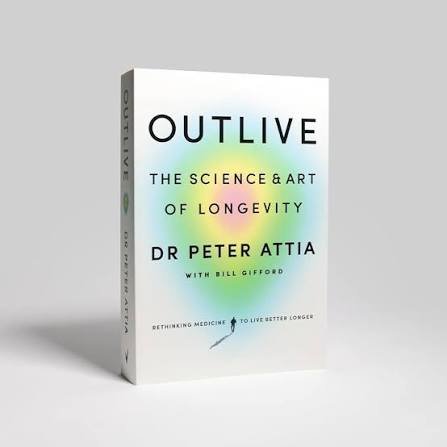
Outlive by Dr. Peter Attia

Unbreakable by Vonda Wright
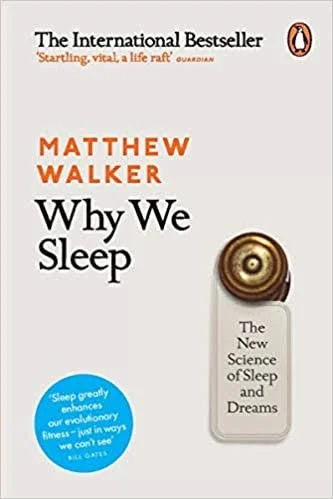
Why we sleep by Matthew walker

The Key Poses of Yoga by Ray Long
Health Speaker
Dr. Stacey Sims
Dr. Vonda Wright
My Staple Network

Jetts Fitness Australia Bli Bli

Ebacher’s Fruit and Vegetables Diddillibah

BB Hair Design Bli Bli

Goodlife Health Club Maroochydore

Luscious Beauty Coast